
Divorce Lawyer Website Design: How Warm and Accessible Design Increases Consultation Requests
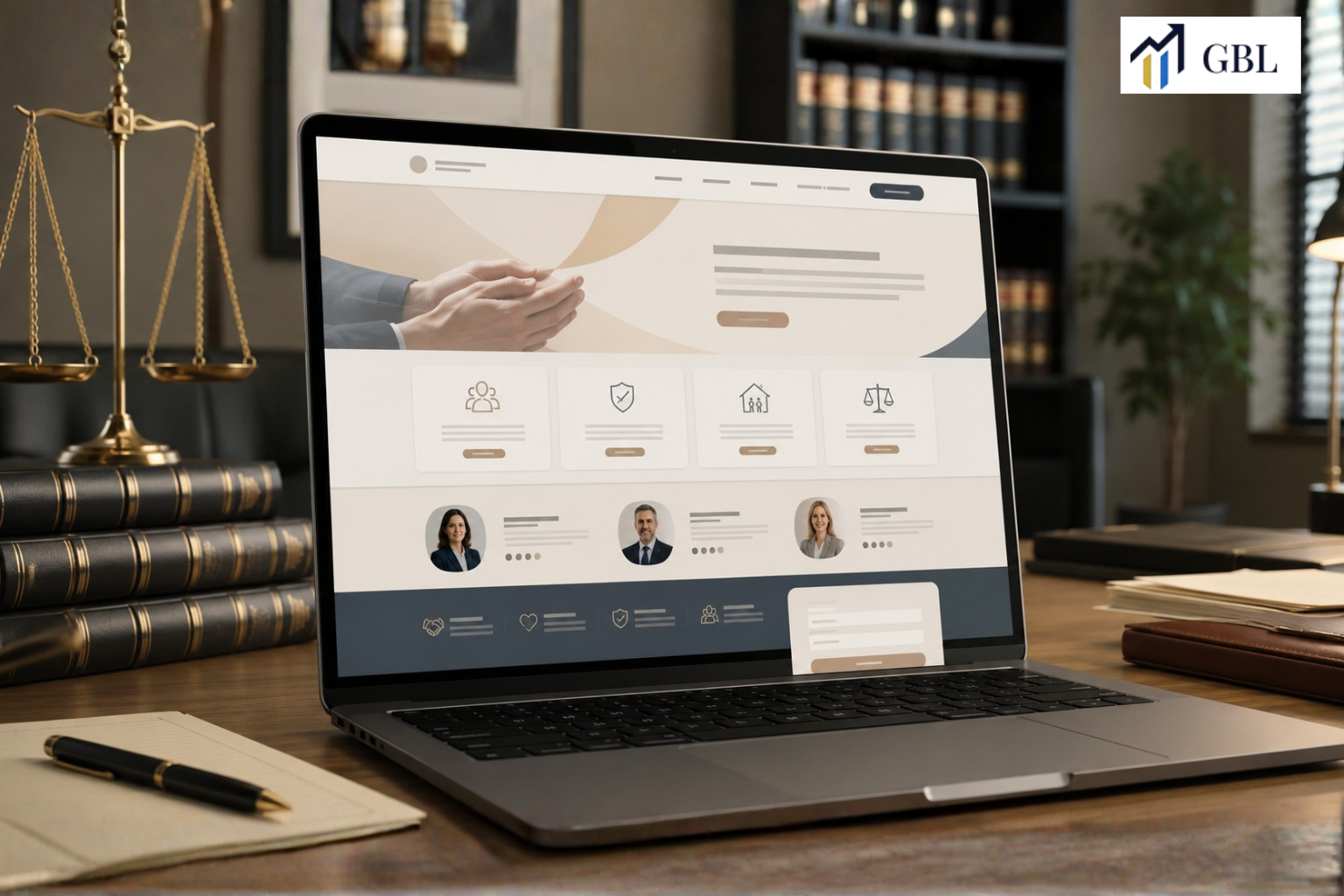
TL;DR
- Divorce law users search under emotional stress
- Warm design improves trust and engagement
- Accessibility reduces confusion and hesitation
- Clear layouts improve consultation flow
- Emotional clarity matters more than aggressive branding
- Mobile usability strongly impacts conversions
- Strong structure improves both SEO and client trust
Introduction
Divorce law users rarely visit websites in a calm state of mind.
Most arrive emotionally overwhelmed and uncertain.
This is why a strong divorce lawyer website design requires much more than professional visuals. The website experience should create emotional reassurance, clarity, and trust immediately. If users feel stressed, confused, or intimidated, they often leave before contacting the firm.
Warm and accessible design helps emotional users feel more comfortable moving toward consultations.
How Divorce Lawyer Website Design Influences Emotional Decision-Making
Divorce users rarely search for legal help in a calm emotional state. Most visitors arrive feeling stressed, uncertain, emotionally exhausted, or worried about parenting, finances, and future stability. Because of this, a strong divorce lawyer website design must focus heavily on emotional usability and trust-building from the very first interaction. Users often decide within seconds whether the website feels safe, supportive, and trustworthy enough to continue exploring.
Emotional comfort directly affects engagement behavior. If the website feels aggressive, cluttered, cold, or confusing, users may leave quickly even if the firm has strong legal experience. Harsh visuals, overwhelming legal language, poor navigation, and overly corporate branding can increase emotional pressure instead of reducing it.
Warm and organized website experiences help users feel more comfortable moving forward. Calm colors, supportive messaging, readable layouts, simple navigation, and emotionally balanced design create reassurance during a stressful decision-making process. These elements help users focus on solutions instead of feeling overwhelmed by the experience itself.
Another important factor is emotional clarity. Divorce law users often need guidance more than aggressive sales messaging. Strong websites explain services calmly, reduce uncertainty, and help users understand what steps come next. This improves trust while making the consultation process feel less intimidating.
Visual structure also influences emotional perception. Clean spacing, organized content sections, accessible mobile design, and supportive calls-to-action create smoother experiences that improve both usability and conversion flow. Small design decisions can strongly affect whether users continue engaging with the website or leave immediately.
Real Law Firm Example
One divorce law website uses dark, aggressive visuals, cluttered layouts, and messaging focused heavily on legal conflict and pressure. Users feel overwhelmed quickly, and engagement remains weak.
Another law firm uses supportive communication, calm visuals, organized page structure, and emotionally balanced design throughout the website. Users stay engaged longer, trust the firm more easily, and consultation requests improve significantly.
Key Points
- Emotional trust impacts conversions
- Warm design improves comfort
- Structure influences engagement
- Calm UX reduces hesitation
- Clear communication improves usability
This is where emotional connection begins. Many law firms focus only on professionalism, but a divorce lawyer’s website design should also create emotional reassurance. Users who feel comfortable, supported, and guided are far more likely to continue engaging and eventually request a consultation.
Why Warm and Accessible Design Improves User Trust
Users searching for family law services are often already dealing with emotional pressure before they even visit the website. Because of this, trust is shaped very quickly through the overall user experience. In strong family law website design, visual warmth and accessibility help users feel calmer, safer, and more comfortable while evaluating legal services. Emotional comfort strongly influences whether visitors continue exploring the website or leave within seconds.
Warm design is not about making the website look overly emotional or informal. Instead, it creates a balanced experience that feels approachable, organized, and reassuring. Soft layouts, balanced spacing, readable typography, supportive imagery, and calm color palettes help reduce emotional friction while improving usability. These design elements make the website feel easier to navigate and less overwhelming during stressful situations.
Accessibility also plays a major role in user trust. Clear navigation, readable text sizes, mobile-friendly layouts, proper contrast, and organized page structure improve the experience for all users. When visitors can move through the website easily without confusion, they feel more confident in the professionalism of the firm itself.
A cold or overly aggressive design weakens the emotional connection. Dark visuals, cluttered pages, complicated menus, or intimidating messaging can make users feel uncomfortable even if the legal services are strong. Emotional users often judge the tone of the firm based on how the website feels visually and structurally.
Another important factor is clarity. Warm and accessible websites guide users naturally instead of forcing them to search for answers. Clear headings, supportive explanations, and visible consultation pathways reduce hesitation and improve engagement significantly.
Real Law Firm Example
One law firm uses harsh visual design with crowded layouts, difficult navigation, and aggressive messaging throughout the website. Users struggle to feel comfortable and engagement remains weak.
Another law firm creates a warm and accessible experience using clear organization, calm visuals, readable layouts, and emotionally supportive presentation. Users stay engaged longer, and consultation requests improve significantly.
Key Points
- Warm design improves trust
- Accessible layouts reduce stress
- Visual clarity strengthens engagement
- Comfortable UX improves usability
- Supportive structure reduces hesitation
This is where emotional trust develops. Strong family law website design should not only look professional. It should also create an experience that helps emotional users feel reassured, supported, and comfortable enough to move forward confidently toward a consultation.
How Clear Navigation Reduces Emotional Overwhelm
Confusing websites increase anxiety.
Clear structure improves confidence.
In website design for family lawyer websites, navigation should guide users naturally without creating confusion. Emotional visitors do not want to search through complicated menus or unclear page structures while already feeling stressed.
Simple pathways improve conversions.
Real Law Firm Example
One divorce law website hides practice areas within confusing dropdown menus and cluttered navigation. Another organizes services clearly around divorce, custody, mediation, and support issues. The second website improves user flow and consultation engagement.
Key Points
- Clear navigation improves usability
- Simplicity reduces frustration
- Organized layouts strengthen trust
- Structure improves engagement
This is where usability affects conversions.
Why Emotional Clarity Matters More Than Complex Legal Language
Users want guidance, not overwhelming explanations.
Simple communication improves trust.
In a family law lawyer website design, legal terminology should be simplified into calm and understandable language. Emotionally distressed users often struggle to process complicated legal wording while under stress. Strong websites explain legal processes clearly while maintaining professionalism and authority.
Clarity improves user comfort.
Real Law Firm Example
One divorce law firm fills service pages with technical legal language and long dense paragraphs. Another explains services using supportive messaging and organized layouts. The second website keeps users engaged significantly longer.
Key Points
- Emotional clarity improves trust
- Simple wording reduces stress
- Supportive messaging improves UX
- Clear explanations improve conversions
This is where emotional usability matters.
How Mobile Accessibility Influences Consultation Requests
Most users search from mobile devices.
Poor mobile UX creates immediate frustration.
In divorce lawyer website design, mobile usability directly affects trust, engagement, and consultation performance. Emotional users need websites that load quickly, display clearly, and allow simple navigation on smaller screens.
Weak mobile experiences reduce consultations.
Real Law Firm Example
One family law website performs poorly on phones with cluttered layouts and difficult navigation. Another uses responsive mobile structure, readable content, and simplified user flow. The second website improves consultation rates significantly.
Key Points
- Mobile UX impacts engagement
- Responsive design improves usability
- Speed improves trust
- Mobile clarity strengthens conversions
This is where mobile performance matters.
Why Practice Area Structure Impacts Consultation Growth
Users search for specific legal concerns.
Practice area pages should guide them clearly.
Strong divorce lawyer website design organizes practice area pages around real user intent tied to divorce, custody, support, and mediation searches. These pages should answer emotional concerns while guiding users naturally toward consultations.
Generic service pages weaken authority.
Real Law Firm Example
One divorce law website uses short, generic service pages with little emotional guidance. Another builds detailed practice area systems connected to FAQs and educational content. The second website generates more consultation requests.
Key Points
- Practice area pages improve conversions
- Detailed pages strengthen authority
- FAQs reduce hesitation
- Structured systems improve trust
This is where consultation journeys begin.
How Trust Signals Should Be Integrated Throughout the Website
Emotionally needy users need reassurance repeatedly.
Trust should appear naturally across the website.
Strong law firm website builders and custom legal websites integrate testimonials, attorney profiles, FAQs, consultation guidance, reviews, and supportive calls-to-action throughout the user journey. Trust signals help emotional users feel more confident before contacting the firm.
Weak trust systems reduce engagement.
Real Law Firm Example
One law firm limits trust-building content to the homepage only. Another integrates testimonials, supportive FAQs, and attorney guidance throughout practice area pages. The second website improves engagement and consultation flow significantly.
Key Points
- Trust signals strengthen confidence
- Testimonials improve credibility
- FAQs reduce hesitation
- Structured reassurance improves UX
This is where trust becomes actionable.
How GBL Builds Divorce Lawyer Websites Designed for Emotional Conversion
Most legal websites focus only on appearance.
GBL focuses on emotional conversion systems.
At GBL, every divorce lawyer website design strategy combines emotional clarity, accessibility, SEO structure, mobile usability, and conversion optimization together. Instead of building websites that simply look professional, GBL creates systems designed to help emotional users feel supported and confident enough to contact the firm.
Strong structure improves both trust and growth.
Real Law Firm Example
One divorce law firm launches a generic website with weak emotional usability and inconsistent engagement. Another works with GBL to build structured emotional user journeys supported by SEO, trust systems, and accessibility-focused UX. The second firm improves consultation requests significantly.
Key Points
- GBL builds conversion-focused systems
- Emotional UX improves engagement
- Accessibility strengthens usability
- SEO structure supports long-term growth
This is where sustainable consultation growth begins.
FAQs
- Why is divorce lawyer website design different?
Divorce users search under emotional stress and need more supportive UX. - What makes a divorce law website feel trustworthy?
Clear structure, calm messaging, warm design, and accessible navigation. - Why is accessibility important for family law websites?
Accessible websites improve usability, trust, and engagement for emotional users. - How does mobile design affect consultation requests?
Poor mobile UX increases frustration and weakens conversion flow. - Should divorce law websites use emotional messaging?
Yes. Supportive communication improves trust while maintaining authority.
Conclusion
A strong divorce lawyer website design requires much more than professional visuals. Emotionally intelligent users need reassurance, clarity, accessibility, and guidance throughout the website experience. Law firms that build warm, organized, and emotionally supportive websites improve trust, engagement, and consultation requests much more effectively than firms relying only on aggressive branding or generic legal design.
CTA
If your current divorce law website feels cold, confusing, or unable to generate consistent consultation requests, the issue may not be your legal services. It may be the emotional experience your website creates. At GBL, we build strategic divorce lawyer website systems designed around emotional trust, accessibility, SEO, and conversion optimization so your website supports real consultation growth instead of simply looking professional.